Supporting an Adult with Down’s Syndrome: A Practical Guide for Families
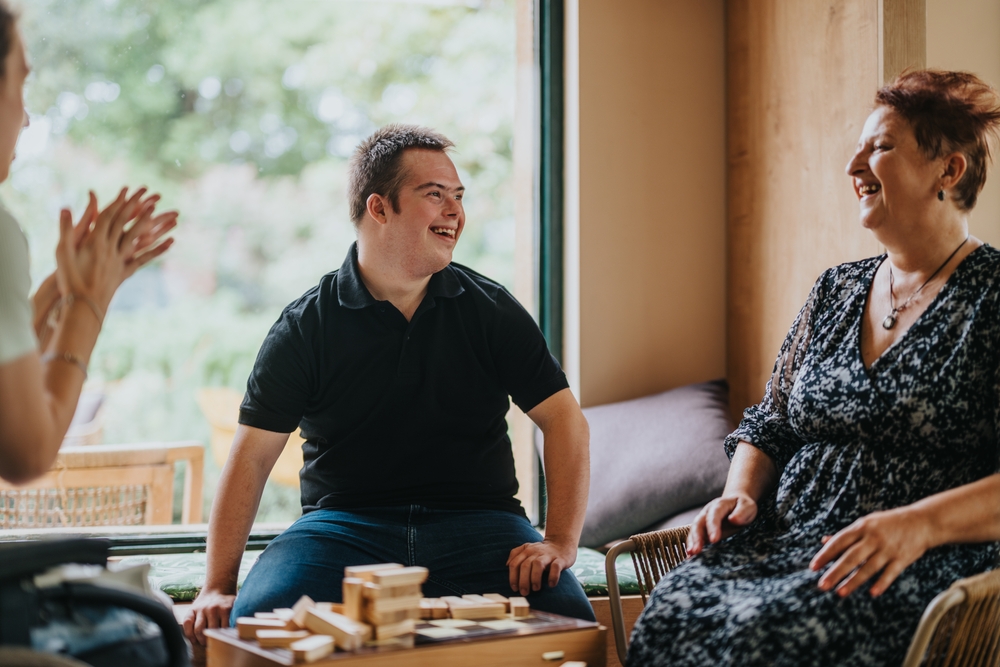
Caring for and supporting an adult with Down’s syndrome is a journey shaped by patience, understanding and a focus on what each person can do rather than what they cannot. With the right encouragement, many down syndrome adults lead full, active and largely independent lives well into later adulthood. This guide is written for families who want to understand the everyday needs of an adult relative with Down’s syndrome and the practical ways they can offer meaningful, respectful support.
Understanding the Needs of Adults with Down’s Syndrome
Down’s syndrome affects each person differently, so there is no single picture of what life looks like for an adult living with the condition. Some people need very little day-to-day help, while others benefit from more structured support with personal care, communication or managing their health. The key is to see the individual first and to build any support around their personality, preferences and goals.
As down syndrome adults move through adulthood, their needs can change. Many remain healthy and active, but some experience changes in memory, mobility or general health earlier than the wider population. Recognising these shifts early and adapting support accordingly helps a person stay comfortable and confident in familiar surroundings.
It also helps to keep expectations realistic and individual. Two adults of the same age with Down’s syndrome may have very different abilities, interests and ambitions, and comparing one person to another rarely helps. The most effective support starts with a simple question: what does this person want their day and their life to look like?
Communicating in a Way That Works
Clear, respectful communication is the foundation of good support. Many adults with Down’s syndrome understand far more than they are able to express, so it is important to speak to the person directly, use plain language, and allow plenty of time for a response rather than filling the silence or finishing sentences for them.
Visual aids, photographs, gestures and written prompts can all reinforce spoken words and make choices easier to understand. Above all, communication should be a two-way conversation that respects the person as an adult, involving them in decisions about their own life wherever possible rather than talking about them to others.
Encouraging Independence and Daily Living Skills
Independence is one of the most important things families can nurture. Everyday routines such as cooking simple meals, managing a tidy living space, handling money and using public transport all build confidence and a sense of ownership over daily life. Rather than stepping in to do these tasks, it often helps to break them into smaller steps and offer gentle prompts, allowing the person to lead at their own pace.
Routine and consistency tend to work well. Visual reminders, clear daily structure and plenty of encouragement can make a real difference. Celebrating small achievements and accepting that some days will be harder than others keeps the focus positive and supportive.
Where a person needs more hands-on help, the same principle applies: support should fill the gaps rather than take over. A consistent carer who knows the person well can encourage skills and routines over time, so that help is always working towards greater independence, not away from it.
Supporting Health and Wellbeing
Good health underpins everything else. Regular check-ups, eye and hearing tests, dental appointments and an annual health review with a GP all help to catch any concerns early. A balanced diet and regular activity support both physical and emotional wellbeing. Where a person’s needs are greater, or where a family is finding it difficult to provide round-the-clock support alone, professional live-in care for adults with Down’s syndrome can provide consistent, one-to-one support within the comfort of the person’s own home.
Emotional wellbeing matters just as much as physical health. Adults with Down’s syndrome experience the same feelings as anyone else, and changes such as a bereavement, a move, or the loss of a familiar routine can be unsettling. Listening, reassurance and keeping lines of communication open are all part of supporting a person through change.
Social Connection and Meaningful Activity
A fulfilling life is a connected one. Friendships, hobbies, community groups, volunteering and supported employment all give structure, purpose and enjoyment. Many areas have social clubs and activity groups designed for adults with learning disabilities, and these can be a wonderful way to build confidence and lasting friendships.
Families can help by encouraging interests, supporting attendance at activities, and gradually widening a person’s social world. The aim is always to open doors rather than to manage every moment, so that the person can enjoy relationships and experiences that are genuinely their own.
Planning for the Future
Thinking ahead can feel daunting, but planning early gives everyone peace of mind. This might include considering future living arrangements, financial planning, and putting the right legal arrangements in place. It is also worth thinking about who will provide support as parents or older relatives age, and what kind of care the person would prefer. Many families also explore local options at this stage, such as live-in care in Surrey, to understand what support is available in their area.
For many families, a consistent and familiar care arrangement provides the stability that works best. Exploring options such as professional live-in care early on means a plan can be put in place calmly and on the family’s own terms, rather than in a moment of crisis.
Where Can I Find Further Support?
No family should feel they have to manage alone. National charities such as the Down’s Syndrome Association offer guidance, helplines and local group information, while your GP and local authority social care team can advise on assessments and available services. Reaching out for support is a sign of good planning, not of struggling, and it often opens up options families did not know were available.
Supporting an adult with Down’s syndrome is, above all, about partnership: working alongside the person to help them live the life they choose, with dignity, independence and the right support around them. With understanding, patience and the occasional helping hand, families can make an enormous and lasting difference. If you would like to talk through what live-in care could look like for your family, our friendly team is always happy to help, so please do get in touch.
Related posts



Popular Posts

What Is Live-In Care?


Caring for Someone After a Stroke at Home
Testimonials
Certain Care provided us with a live in carer for respite cover for my aunt whilst we were out of the country and the carer they supplied us with made a great impression her (quite a feat if you knew her!) I will be using their services again in the near future. Highly recommended.

This service was excellent in every way providing effective, efficient and empathetic home care. The manager arranges everything and liaises with the local hospital about discharge and maintains good contact with the cared for, the relatives and the carers. The carers are excellent and manage to offer top quality care whilst establishing and maintaining a good, not patronising relationship with their client. I was pleasantly surprised at how cost effective this was compared to a good quality care home and it allowed my father to spent his final weeks in familiar surroundings. In 5 plus years of caring for my parents I have never felt so supported and wish that I had known about it sooner .
Certain Care provided care for a family friend who has Alzheimers and other health conditions. The staff were friendly and helpful and very dedicated even when she was a ‘bad day’. A very comforting and reassuring service. P.
My search for a care package that met a budget, was able to accommodate a terminal parent and a critically disabled parent at the same time, with the target of keeping them in their own home, at first sight looked to be a very difficult one. However, with Certain Care, it was possible not only to get a very professional live in Carer, who had all the expected respect and compassion for an aging couple’s personal needs, but also managed their ongoing medical issues and changing OT requirements with an outstanding degree of professionalism. The Carer was able to work effectively with the already installed care team, and as that team’s requirement altered, was able to adjust to the changing routines, suggesting improvements in comfort for my parents along the way. I would like to thank Certain Care for its understanding and ability to deal with a very difficult period of our lives in an effective and caring way. I would very much recommend this company to families who find themselves in these kinds of difficult circumstances, and are looking for the best possible solution to their needs. Warm regards, G Langham. Ashford, Kent.
We received a wonderful live-in carer to help my elderly disabled mother continue living in her own home. The carer was experienced and able to provide a service that was personalised to Mum’s needs and preferences. Both carer and client received excellent support from the Certain Care Manager, who was easy to contact and who offered helpful solutions to difficulties as they arose. Certain Care Limited have created a "joined-up, working together" type environment, which allowed my mother to receive the highest standards of care at a fraction of the cost of the local nursing homes.
My mum isn’t the easiest to get along with. Certain Care provided 2 carers that she got on with – a first !. Always professional, reasonable rates and great carers – thank you very much !
My sister and I have been very happy with Certain Care for our father’s needs over the past 5 months. the care worker’s unfailing patience, consideration and kind attention has made a huge difference to our father’s well being. Staff have been punctual, efficient, and accommodating. They have chosen places of interest when taking our father out and about in his wheelchair and have been totally reliable – we have never worried when our father was in their care, whether inside or outside the house. One member of staff was the first live-in attendant we have had, and their friendly and polite manner made it easy for us to live alongside them. This member of staff has voluntarily helped with odd jobs in the house, and has been particularly helpful in taming the garden. We would not hesitate to recommend Certain Care to anyone needing their services. Thank you so very much, we are glad we found you.
I used Certain Care to look after my aunt, who is a blind elderly lady. I cannot recommend the care and attention we received enough. I was kept informed of all her needs and there were always carers available to assist when change over of carers was needed. As I live overseas, I received frequent phone calls and emails about my aunt’s condition. We were made feel as if we were the only people using the service. I have absolutely no hesitation in recommending Certain Care for all of the above reasons. Well done to all the team.
We were new clients of Certain Care, but, can really recommend the care and attention to detail provided. If we did not have the team looking after the best interests of my mum, she would not be able to remain in her own home.